
The European situation shares many similarities with our own in some respects. It is characterized by an aging farming population, with the average age of farmers around 57, and only 12% of them being under 40. Like in Quebec, many farms are undergoing ownership transitions, which leaves the land vulnerable to being seized by non-agricultural actors during this process. Protecting the agricultural purpose of the land is not an easy task, here or elsewhere…
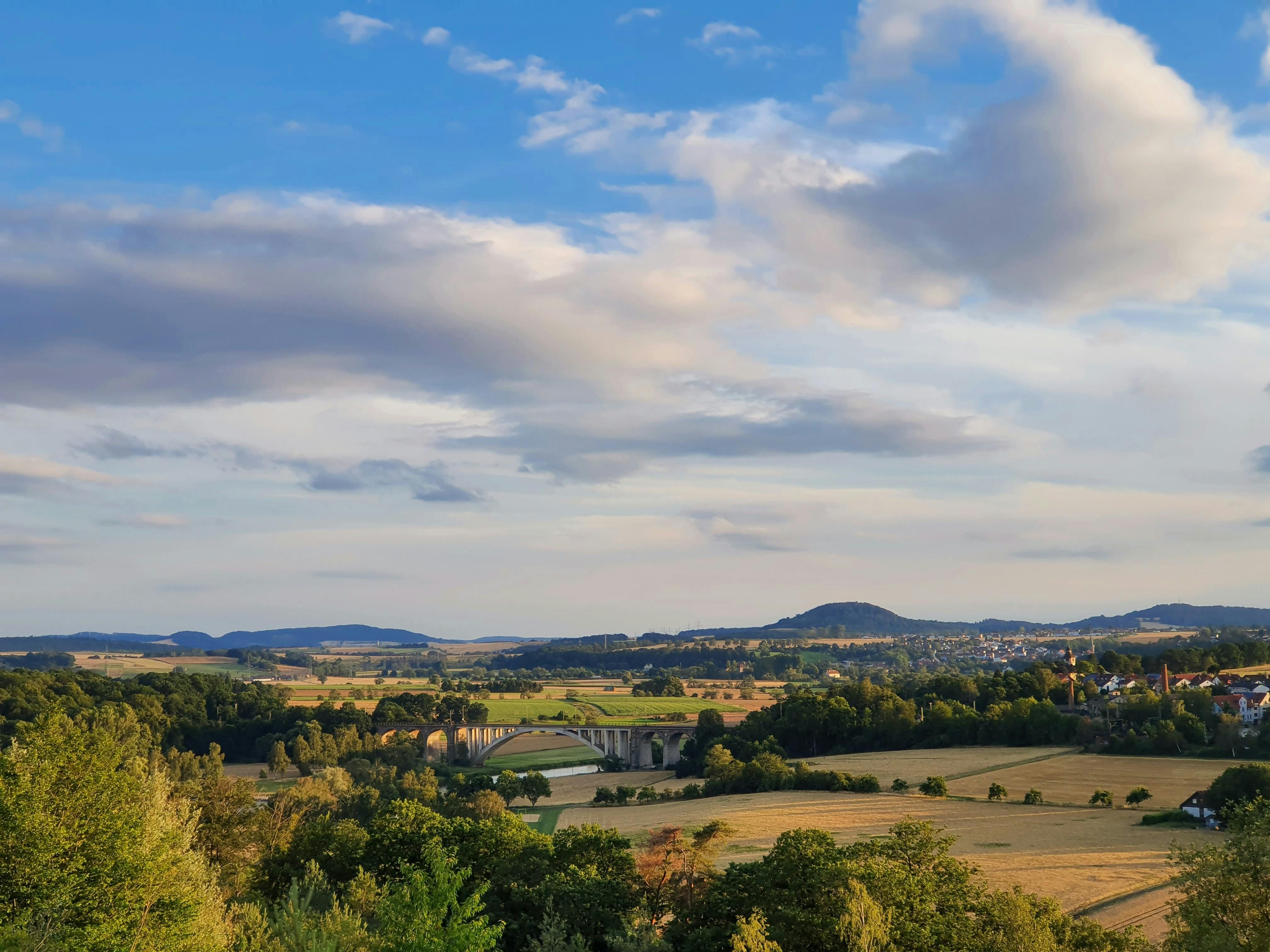
In Germany, faced with these same all-too-familiar challenges, several initiatives have emerged, specifically focused on purchasing farmland from operators wishing to retire. Their goal is to keep this land in the hands of farmers—particularly those of the next generation—while offering older operators a dignified exit from the profession. To achieve this, these groups purchase the land from retiring farmers and then offer it through long-term leases to aspiring farmers, thereby guaranteeing the preservation of its agricultural purpose.
Numerous associations and initiatives exist across the country following this model, with various legal and organizational structures. Often born from grassroots citizen initiatives, these structures take different forms, such as joint-stock companies, foundations, or non-profit organizations. They generally adopt a flexible and diversified approach to financing, often relying on a mix of citizen investment, donations, and grants.
In Quebec, Agricultural Land Trusts (ALTs) are emerging with the same ambition: to remove land from the speculative market and protect it in perpetuity. However, their rollout remains more timid than in Germany. This delay is explained, in part, by a rigid tax framework that does not sufficiently encourage the donation or discounted sale of land, as well as by a complex legislative environment that weighs down the creation of these citizen-led structures. Let’s dream a little… wouldn’t it be inspiring to see a multitude of diverse projects and approaches flourish here as well, all dedicated to protecting our agricultural vocation and driven by a wave of committed citizens?