

An innovative molecular test offering new possibilities
In this context, a new reliable and accurate diagnostic tool could provide an innovative approach for detecting tomato bacterial canker: a qPCR-based molecular assay developed as part of a research project in collaboration with the MAPAQ Research Chair in Greenhouse Phytoprotection and Université Laval.
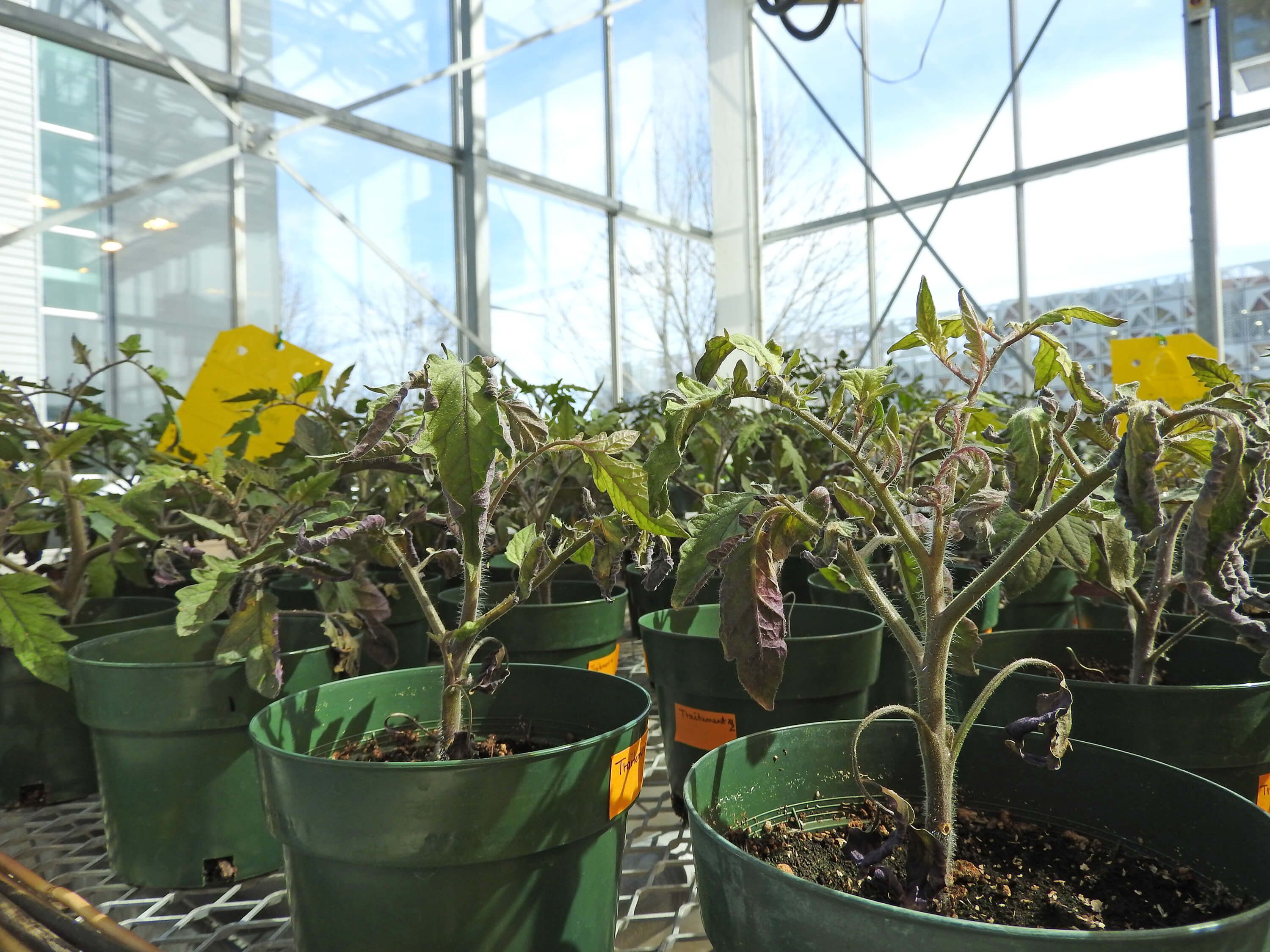
“qPCR is a molecular biology technique that allows the real-time measurement of the amount of Clavibacter michiganensis DNA directly within tomato plant tissues. This enables highly precise detection and quantification of infection at all stages of plant development,” explains Anne-Sophie Brochu, M.Sc., research professional at Université Laval.
This approach is promising because it allows the detection of pathogenic Clavibacter at very low levels of contamination, early in plant tissues and even in seeds. As such, it opens new opportunities for studying infection dynamics, evaluating novel disease management strategies, and validating existing diagnostic methods.
“The assay targets two chromosomal genes associated with virulence, rhuM and tomA. This strategy also reduces the risk of false negatives related to plasmid variability,” adds Anne-Sophie Brochu.
A major advancement for biosecurity
Accurate and reliable detection is crucial for gaining deeper insights into the dynamics of bacterial canker and for developing more effective control strategies. With its high sensitivity and analytical robustness, this method proves to be an invaluable tool in the laboratory, particularly for research and enhancing greenhouse biosecurity practices.