

What is a Reference Sample?
A reference sample is a quantity of grain whose moisture content is already known with precision. It serves as a reference to verify that a moisture meter is always providing an accurate reading.
For example, if a wheat sample has a reference moisture content of 14.2%, the result obtained with a 919 moisture meter should be very close to that value. If the device instead reads 13.5% or 15.0%, you should check the procedure, the scale, the cell, or the overall condition of the device.
Three Key Points
1. Verify the Accuracy of the Equipment
A moisture meter can produce highly repeatable results, even if they are slightly off. A dirty sensor, an inaccurate scale, an incorrect sample weight, or improper filling technique can affect the results.
The Canadian Grain Commission compares moisture meter readings with a reference method using an oven. This work demonstrates that the 919 moisture meter can provide accurate results when properly maintained and used correctly.
2. Avoid Overdrying or Underdrying
A reading that is too low can increase the risk of overheating, mold, and deterioration during storage.
On the other hand, a reading that is too high can lead to overdrying, increased propane or natural gas consumption, and a loss of marketable weight.
3. Compare the Results with the Grain Center
Sometimes the moisture content measured on the farm is 14.8%, while the buyer measures it at 15.3%. The discrepancy may be due to the instrument, but it can also be caused by sampling, temperature, or the method used. A reference sample allows you to compare multiple moisture meters using exactly the same grain.
How to Properly Use Your Reference Sample
The sample must be stored in an airtight, clearly labeled container. It must also be allowed to return to a stable temperature before analysis.
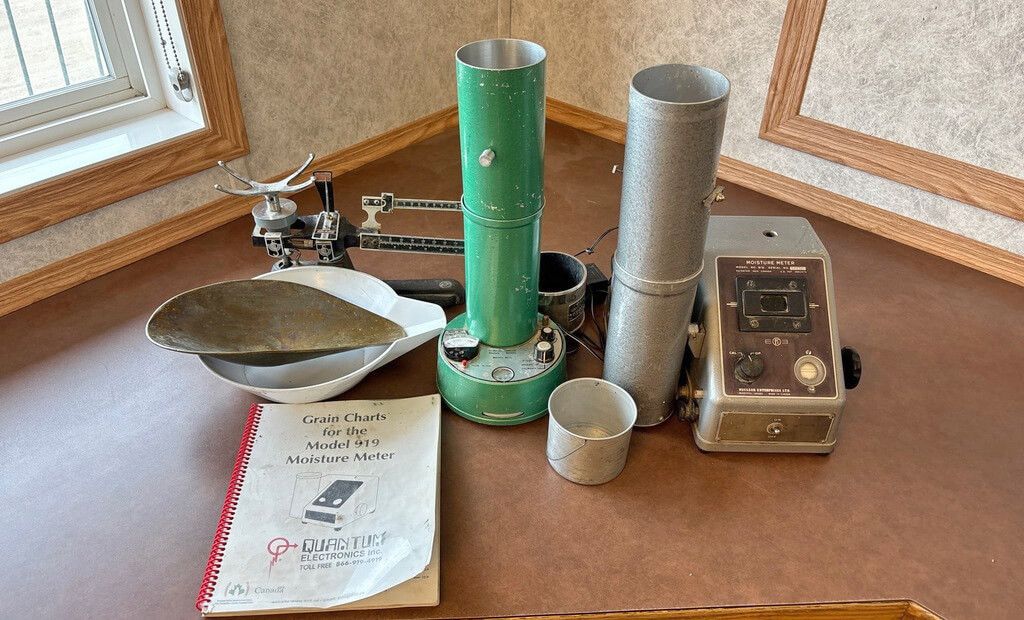
When using the 919, you must use the correct grain weight, measure its temperature, and consult the most recent conversion table that corresponds exactly to the type of grain being analyzed.
Reference samples help confirm that your moisture meter is still providing reliable readings. They reduce the risk of overdrying, improper storage, and disputes upon delivery. A few minutes of checking before harvest can therefore save you a lot of headaches.
For all our tips, read on our blog.