

“Grief is a process of adapting to the loss of someone or something that matters deeply to us, often accompanied by a range of emotional reactions,” explains Audrée Bourdages, an agricultural outreach worker in the Gaspésie–Îles-de-la-Madeleine region with Au cœur des familles agricoles, a community organization that provides psychosocial support to farmers and their families.
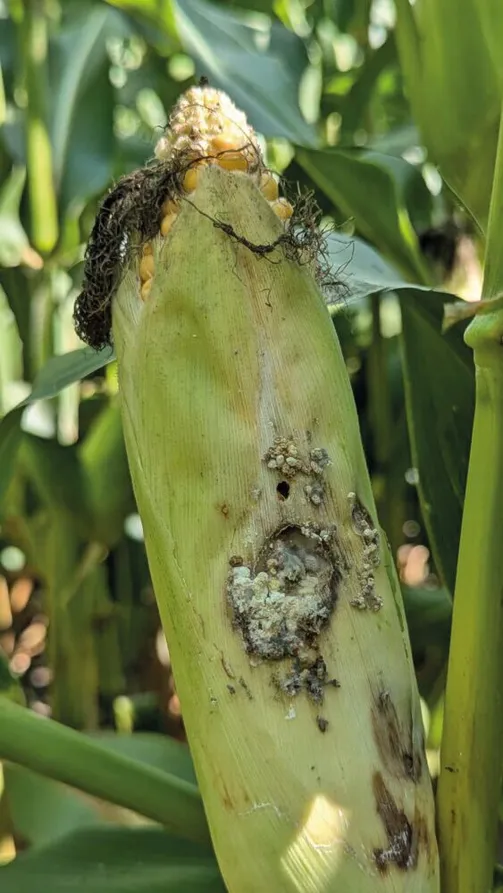
The agricultural sector also brings its own unique forms of grief: losing an animal after a difficult calving, seeing crops destroyed by a sudden frost, missing a family gathering because of farm work, or facing the reality of having no one to take over the family farm. These quieter, often overlooked experiences are examples of the invisible losses that can shape life in agriculture.
How to cope with farming-related grief?
“The first step is to acknowledge that your emotions are valid. Whatever you’re feeling, it’s important to treat yourself with compassion and resist the urge to downplay what you’re going through,” says Audrée Bourdages.
If your emotions are affecting your daily life—whether it’s your quality of sleep, your appetite, or your ability to concentrate—Audrée Bourdages also recommends taking the time to step back and give yourself a restorative break, even if it is only for a few minutes or a few hours. While taking a step back might feel like a waste of time to some, it can help you regain perspective, restore your energy, and make better decisions when you return.
"Sharing what you are going through with someone you trust can bring a sense of relief, even if it’s hard to find the right words. If your emotions are causing ongoing distress or are becoming difficult to manage, it’s important to seek support from a mental health professional," she adds.
If you need professional support tailored to your reality, you can reach an agricultural social worker Monday through Saturday, between 8 a.m. and 8 p.m.: 450-768-6995, option 1
Other resources available 24/7 by phone:
Info-Social Line (health and social services professionals): 811, option 2
Suicide Prevention Hotline: 1-866-277-3553