
How Can We Navigate These Changes as Farmers?
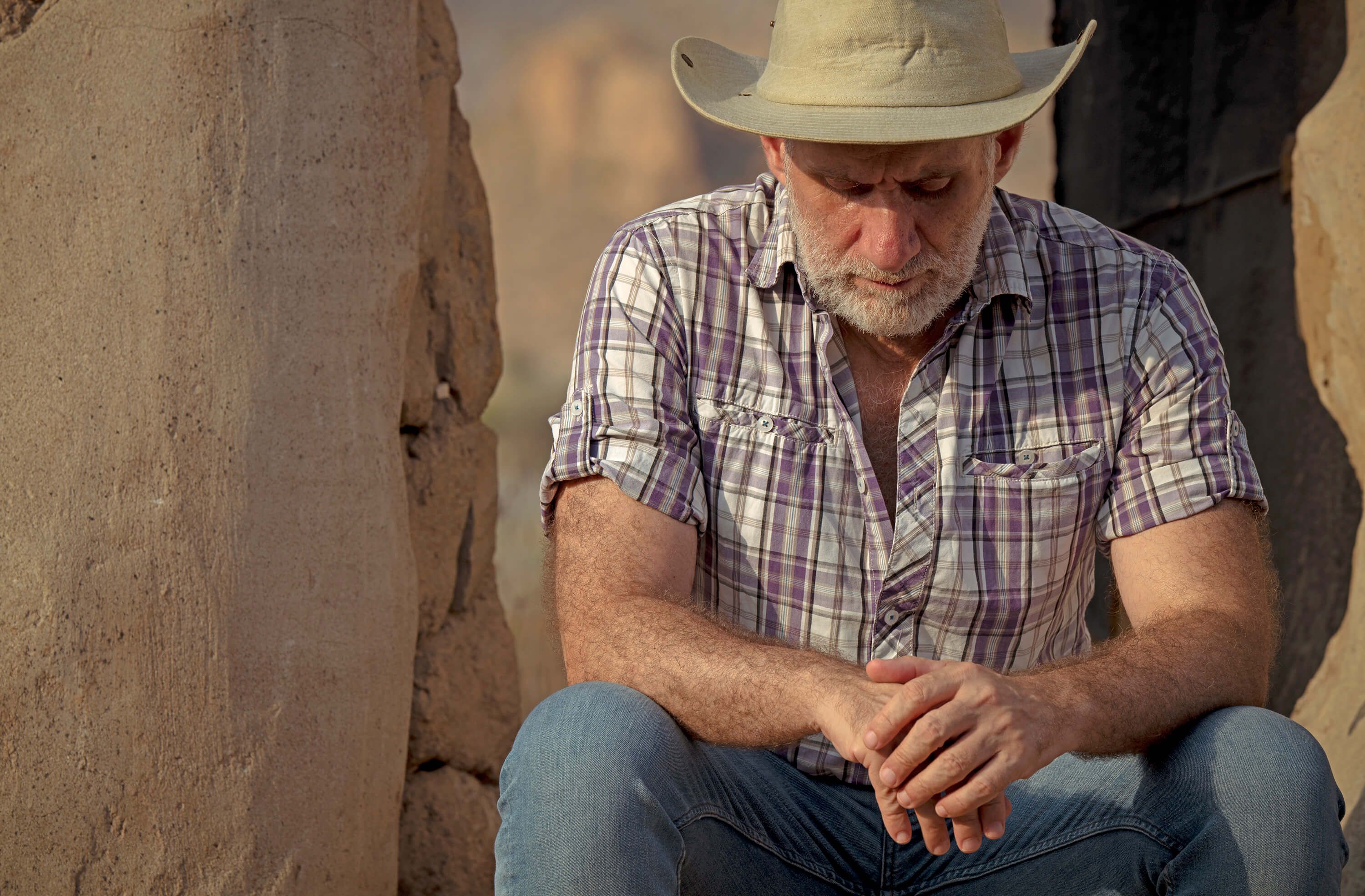
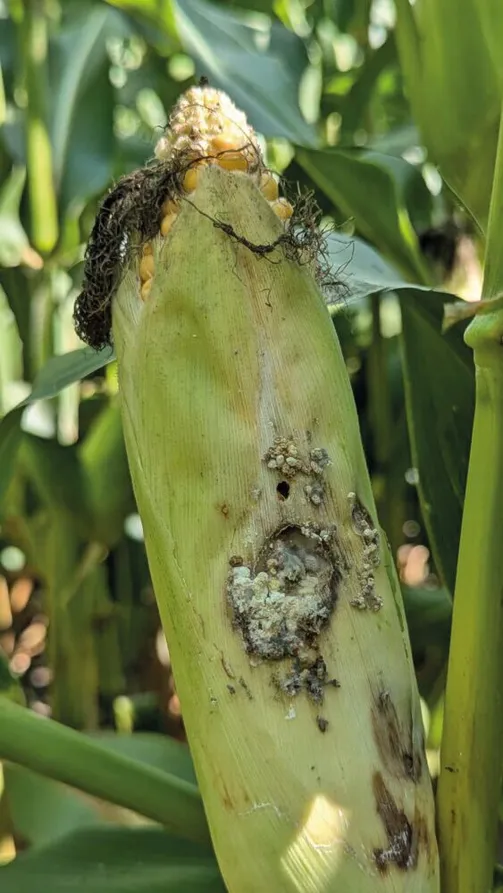
For those in agriculture, adapting to this new climate reality can be deeply disorienting and challenging. Long-standing practices must not only change, but are often upended by the very next growing season. The constant uncertainty places significant strain on our ability to adapt.
“Anxiety and anger are natural reactions in situations like this,” says Isabelle Béliveau, founder and executive director of Éco-motion and an expert in environmental psychology. “But when these emotions linger, they become exhausting and can take a real toll on our mental health.”
Éco-motion, an organization dedicated to collective mental health, offers practical guidance to help individuals build psychological resilience in the face of the climate crisis.
“Emotions related to climate change should be seen as signals, not problems,” Béliveau explains. “When we take the time to acknowledge and welcome them, they bring greater meaning to our lives. Each emotion carries a message about what truly matters to us—what we want to protect or care for more deeply.”
She adds, “Recognizing and welcoming our emotions before they become overwhelming or paralyzing helps regulate our nervous system. Rather than feeling consumed, we can turn what we feel into a source of adaptation, both individually and collectively. This is what I call serene clarity.”
In closing, Isabelle encourages people not to downplay the intensity of their emotions and to seek support within their communities. “Never forget that you are not facing these changes alone. In times like these, feeling safe and connected is more important than ever.”