

In a world marked by growing and unpredictable international tensions, the risks are many, and for Canadian farmers, one such threat remains the potential for a sudden and unexpected spike in fertilizer prices.
Where do our fertilizers come from?
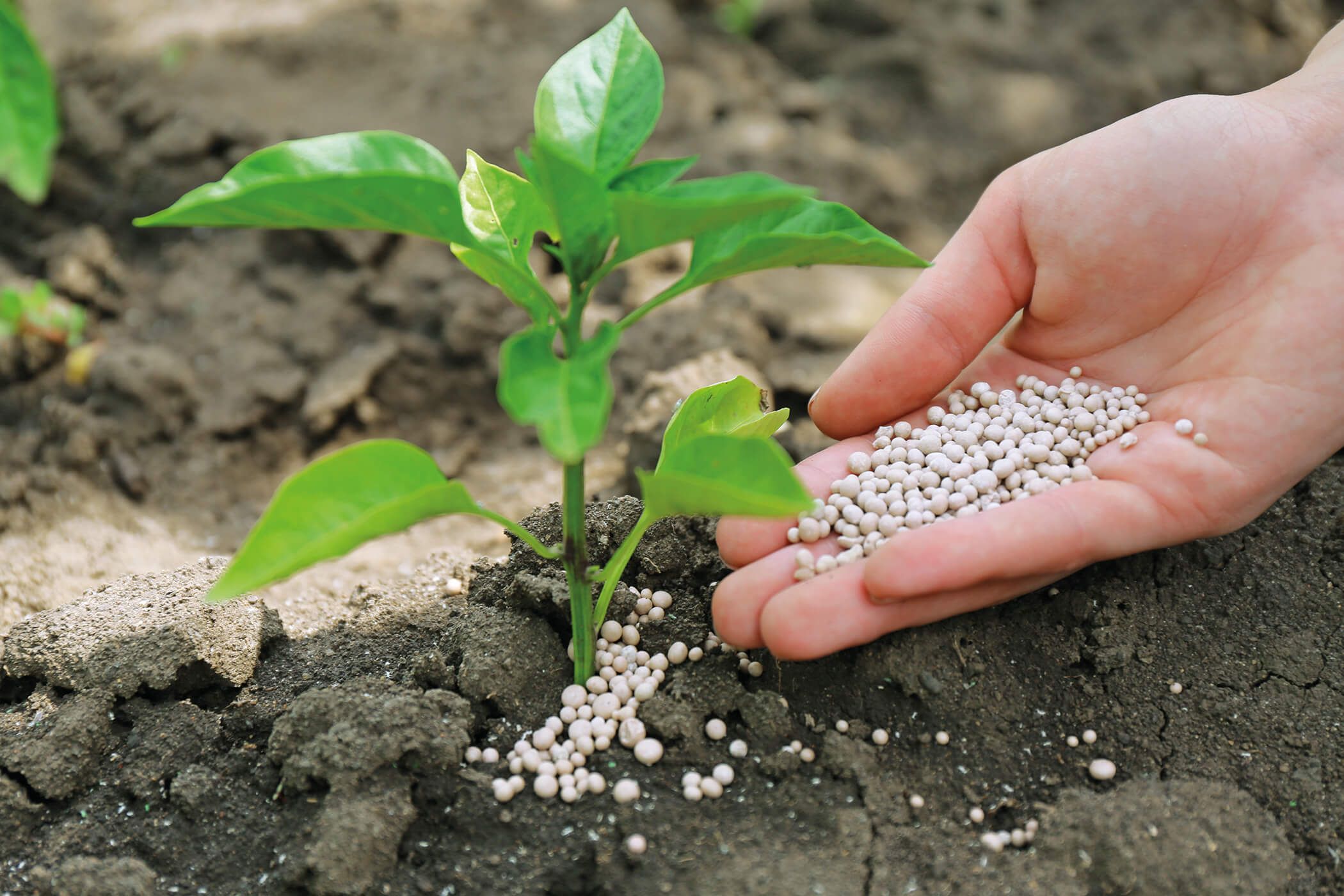
Potash fertilizers, such as potassium chloride, are mostly produced in Canada, particularly in Saskatchewan, which is home to more than a dozen potash mines. As the world’s leading producer, Canada faces relatively low risks of supply chain disruption for this category of fertilizer.
Phosphate fertilizers, for their part, come from international sources such as the United States, Morocco, and Tunisia. Their importation is subject to many uncertainties, particularly because a large portion transits through the United States, making them vulnerable to the impact of U.S. tariffs. However, there are significant igneous phosphate reserves in the Saguenay–Lac-Saint-Jean region, though their development would take years and require substantial investment.
As for nitrogen fertilizers, although they are largely manufactured in Western Canada, their production relies on natural gas and an extremely energy-intensive process. As a result, their prices are heavily influenced by the volatility of global energy markets. For example, last year, their prices surged, driven by tensions in the Middle East.
A perilous dependency
Even with substantial domestic production, the synthetic fertilizer market remains globalized and highly sensitive to international tensions. Conflicts such as the war between Ukraine and Russia have already shown just how fragile agricultural supply chains can be.
And since reducing the use of chemical fertilizers is a long-term process… it might be worth starting to think about it now.